Farm & Ranch Fence Installation in Plant City, FL
Field fence, hi-tensile wire, three- and four-board, and pipe-and-cable for the ag and horse properties around Plant City and Thonotosassa.
Request Your Free Estimate (813) 652-0559Farm & Ranch Fence in Plant City, FL
Plant City sits at the heart of one of the most productive agricultural belts in Florida — strawberry fields, cattle pasture, citrus groves, and horse properties spreading out across east Hillsborough into Polk County. Plant City Fence Builders installs fencing built for working acreage: livestock containment, cross-fencing for rotational grazing, perimeter fencing along county roads, and the heavier board and pipe construction equestrian properties expect. We measure by the run, build for the species, and finish gates the tractor can actually fit through.
Fence Types for Working Properties
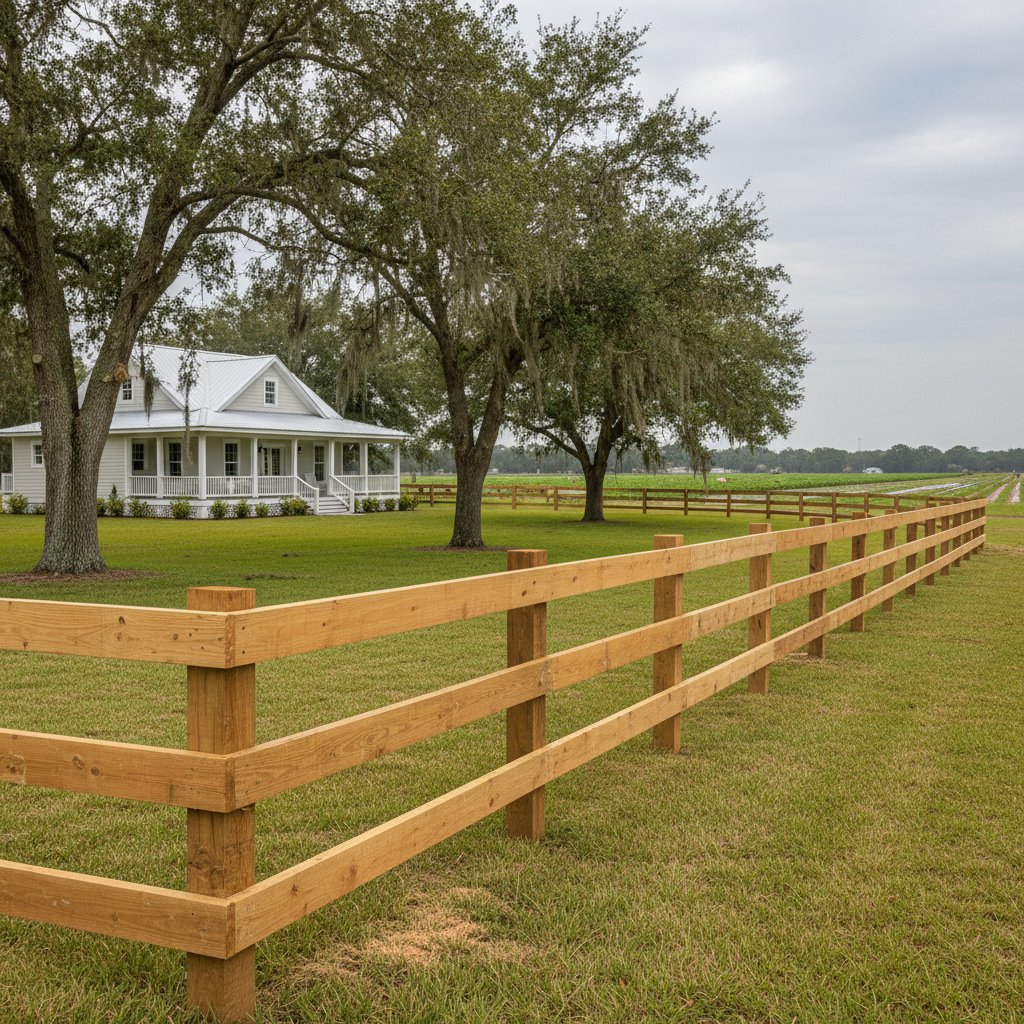
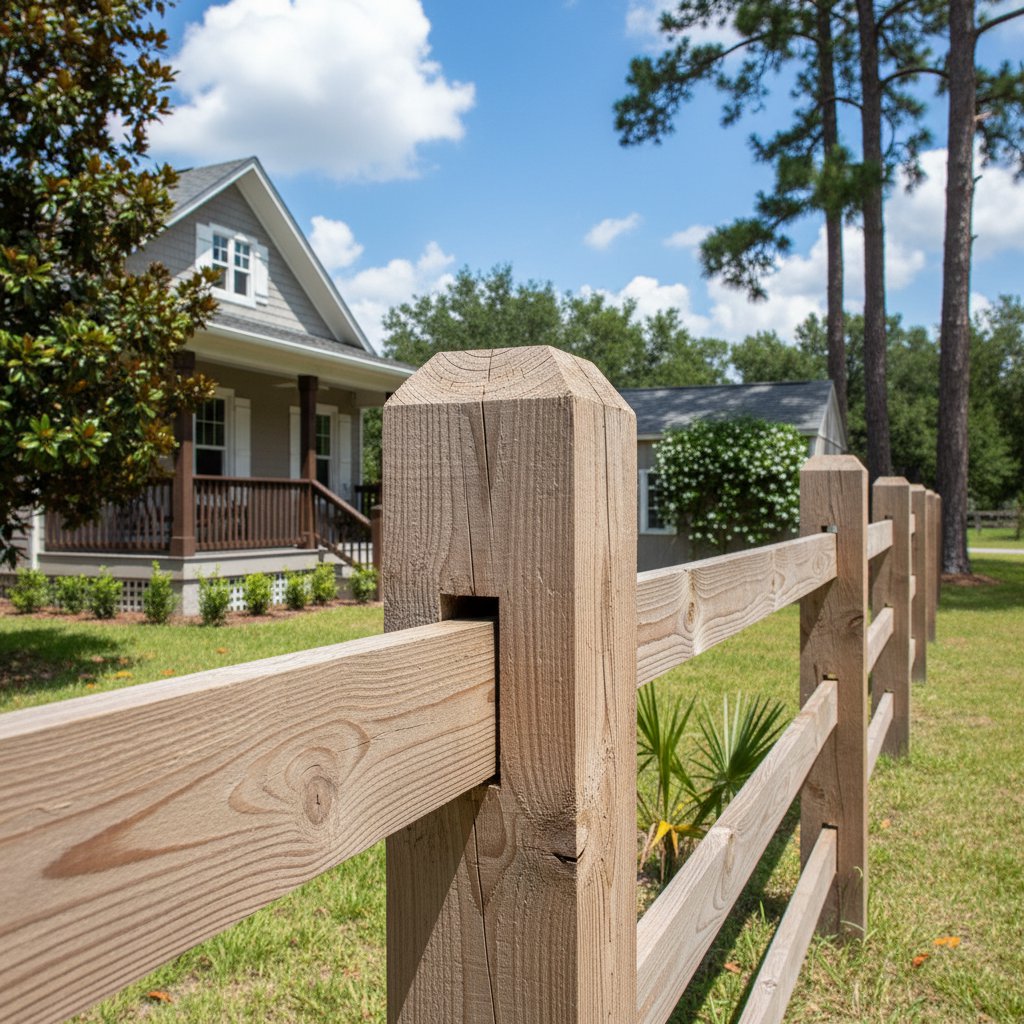
<p><strong>Woven field fence</strong> with a barbed top wire is the workhorse for cattle and goats — strong, affordable, and easy to repair. <strong>Hi-tensile smooth wire</strong> in five- to eight-strand configurations holds horses or cattle with less material per acre and minimal injury risk compared to barbed.</p><p><strong>Three-board and four-board</strong> wood fence is the traditional horse-property look around Thonotosassa and rural Lithia — pressure-treated posts, oak or pressure-treated boards, painted or stained. <strong>Pipe-and-cable</strong> uses oil-field drill stem or fresh schedule-40 pipe with steel cable infill, holds up to anything a horse or a bull can do to it, and runs the life of the property. We also install <strong>no-climb horse fence</strong> (2x4 woven mesh) for paddocks and turnout where hoof-through is a real risk.</p>


Get Your Farm Fence Quote
Limited Slots Available This Month!
Built for Florida Acreage
<p>Sandy soil through the ridge running from Plant City east through Lakeland doesn't hold a four-by-four corner post under tension. Every corner, end, and gate post on a farm fence we install gets either a <strong>concreted set deep enough for the species</strong>, or a <strong>braced H-assembly</strong> with diagonal compression and a wire deadman — the standard for hi-tensile wire under serious pull.</p><p>Line posts on field fence are typically pressure-treated 4x4 or 6-inch round posts every 8 to 12 feet, depending on terrain. We crown the tops and use hot-dipped galvanized staples and brace pins so the fence is still tight in year ten. Gates are sized for tractor, hay truck, or trailer access — usually 12-foot for pasture work, 16-foot for equipment, 4-foot for walk-throughs at the barn.</p>
Cross-Fencing, Lanes, and Gate Layouts
<p>A working property usually needs more than just a perimeter. Rotational grazing means cross-fencing to divide pasture into paddocks, a lane that lets you move stock from barn to far pasture without opening gates into the wrong field, and a sorting setup at the working pens. We walk the property with you, talk through how you actually use the land, and lay out cross-fencing that fits the operation rather than carving the acreage into squares for no reason.</p><p>Gate placement is half the battle. Wide swing gates at the road for trucks, narrower gates between paddocks for daily use, and double-latch gates at the lane corners so a tired horse can't push through. We also install bump gates, ranch gates with overhead signage, and automated entrance gates for properties that need them.</p>
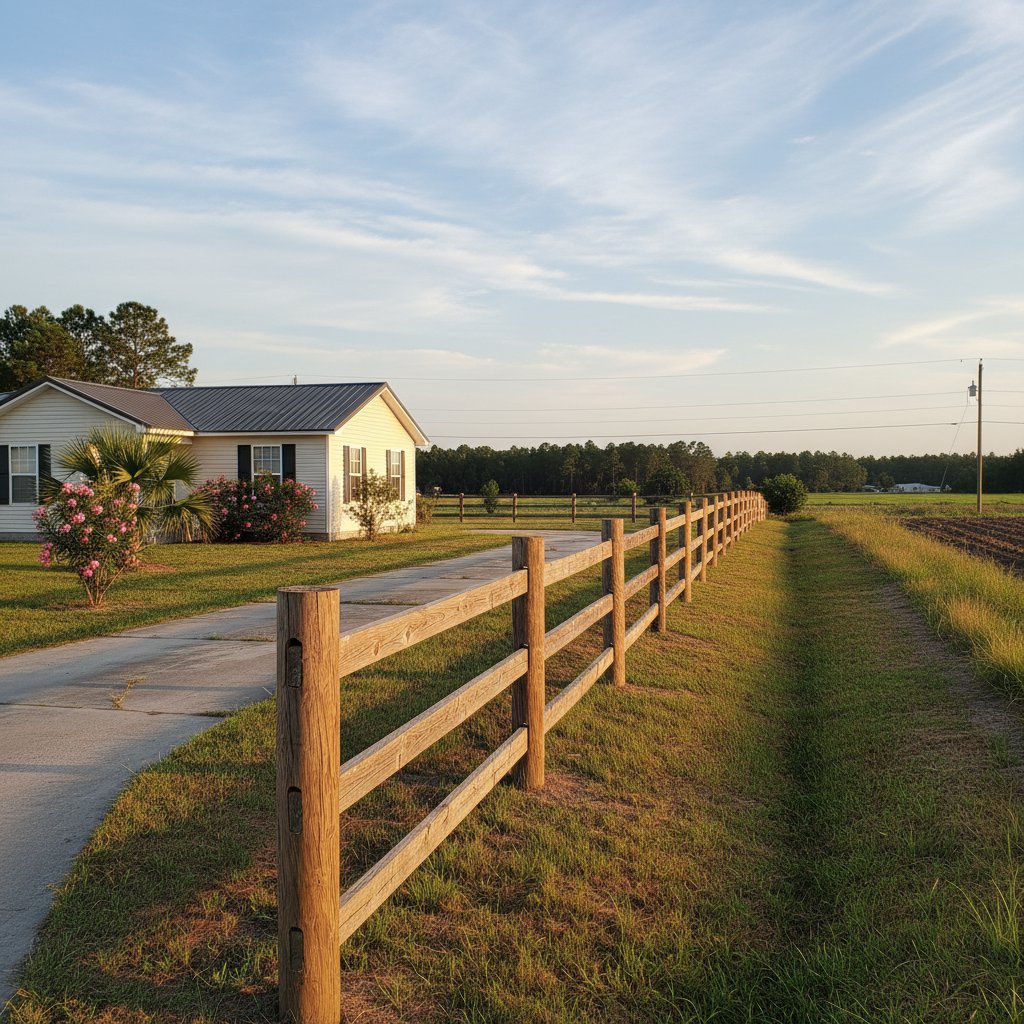
Recent Farm & Ranch Fence Installations
When You Need a New Farm Fence
Working fence has a lifespan, and ignoring the signs gets expensive in a hurry.
Loose Wire or Sagging Lines
Wire fence that's lost tension lets stock push through and tangles legs. Re-tensioning works once or twice; eventually the wire itself has fatigued and needs replacement.
Rotted Posts
Wood posts cracking at ground level or pulling loose from the dirt when you shake them. Sandy Plant City soil rots non-treated wood faster than people expect.
Stock Getting Out
Cattle, horses, or goats finding new ways through the fence. Sometimes it's a single bad section; sometimes the whole perimeter has aged out.
New Property or Reconfiguration
Just bought the land, expanding the herd, or changing how you graze. Right time to plan and build the fence layout you actually need.
Our Farm Fence Installation Process
Same approach whether it's a 10-acre horse property or a 200-acre cattle operation.
Property Walk and Layout
We walk the perimeter and the interior with you, talk through how the land is used, and sketch out perimeter, cross-fencing, lanes, and gate locations on a satellite image.
Quote and Scheduling
Written quote with materials, footage, gate count, and timeline. Larger jobs may be staged across a couple of weeks depending on weather and the seasonal work calendar.
Corners, Braces, and Posts
Corner H-braces or concreted corner sets go in first, then line posts at proper spacing. The fence is only as strong as the corners, so they get the most attention.
Wire, Boards, or Pipe
Wire stretched with tensioners and tied off properly. Boards painted or stained as specified. Pipe welded on site with the cable strands torqued to proper tension.
What Our Clients Say
"Wood shadowbox along the back line off Trapnell Road. They ran the pressure-treated kickboard the whole way and dropped the corner posts deeper because the lot sits low after a heavy rain. Two summers later the gates still swing clean and the pickets haven't cupped."

Ready to Fence the Property?
Call Plant City Fence Builders at (813) 652-0559 or request a free estimate online. We come out, walk the land, and write a flat quote that reflects the real footage and the real work.